
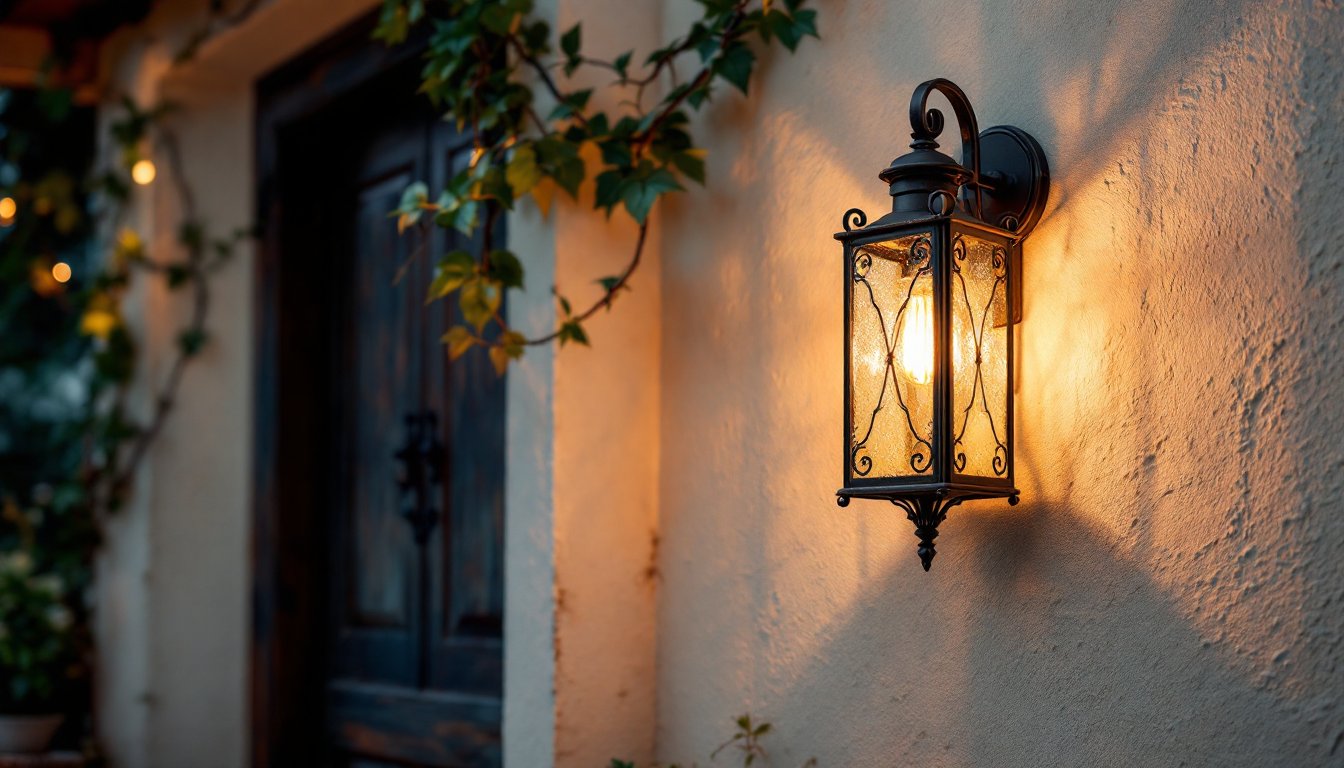
French outdoor lighting transforms ordinary yards into European-inspired retreats with wrought iron lanterns, aged bronze finishes, and soft ambient glow. Unlike stark modern fixtures or rustic farmhouse styles, French designs balance ornamental elegance with practical illumination, think Parisian café charm meets countryside manor. Whether installing wall sconces beside a stone patio or hanging pendant lights under a pergola, homeowners can layer authentic French aesthetics without major electrical overhauls. Most fixtures work with standard 120V wiring, though some bistro string lights run on low-voltage systems. The key is choosing pieces that reflect classic French design principles: symmetry, weathered metals, and glass panels that diffuse rather than glare.
Table of Contents
ToggleKey Takeaways
- French outdoor lighting combines forged metalwork, muted finishes (aged bronze and black oxide), and textured glass panels to create authentic European-inspired ambiance that balances ornamental elegance with practical illumination.
- Provincial farmhouse lanterns and Parisian bistro string lights represent the two primary styles—choose provincial for durability-focused durable designs or bistro for casual café charm, with LED bulbs offering superior longevity and lower energy consumption.
- Strategic placement using layered task, accent, and ambient lighting—such as flank wall sconces flanking doorways at 60–66 inches or bistro strings suspended 8–10 feet overhead—prevents over-illumination while highlighting architectural features.
- Wrought iron and quality cast aluminum provide the most authentic appearance, with wrought iron developing natural patina and cast aluminum offering corrosion-free alternatives at 40–60% lower cost.
- Maintain visual coherence by using consistent warm color temperatures (2200K–2700K), installing dimmers for adjustable ambiance, and employing cross-lighting techniques that graze surfaces rather than illuminate head-on.
- Most French outdoor lighting fixtures work with standard 120V wiring and existing electrical systems, though proper grounding, GFCI protection, and adherence to local codes are essential for safe installation.
What Makes French Outdoor Lighting Unique?
French outdoor lighting stands apart through three defining characteristics: forged metalwork, subdued color palettes, and attention to architectural proportion.
Forged and cast metals dominate authentic French fixtures. Wrought iron, aged bronze, and verdigris copper appear far more often than polished stainless steel or painted aluminum. The metal receives hand-hammered textures or scroll details that catch light and shadow, adding depth even when the fixture is unlit. Cast aluminum reproductions mimic this look at lower cost, though they lack the thermal mass and patina development of true iron or bronze.
Muted finishes reflect centuries-old European aesthetics. Black oxide coatings, rust patinas, and oil-rubbed bronze create the illusion of age. Powder-coated fixtures in matte charcoal or graphite work well for homeowners who want the French silhouette without ongoing patina maintenance. Bright whites, chromes, and saturated colors rarely appear in traditional French country outdoor lighting.
Glass panels serve dual purposes: weather protection and light diffusion. Seeded glass, rippled panes, and frosted finishes soften LED and incandescent bulbs, eliminating harsh glare. Clear beveled glass suits formal estates, while wavy textured glass complements rustic stone or stucco exteriors. Tempered glass is code-required for most outdoor applications and withstands temperature swings better than annealed glass.
Proportions matter. French lanterns often feature tall, narrow profiles with height-to-width ratios around 2:1 or 3:1, especially for wall-mounted fixtures flanking doorways. Oversized carriage lamps and undersized bistro pendants both break the visual balance that defines French design.
Popular French Outdoor Lighting Styles
French outdoor lighting divides into two primary aesthetics: provincial farmhouse and Parisian bistro. Each suits different architectural contexts and outdoor layouts.
Provincial Farmhouse Lanterns
Provincial lanterns draw from rural French estates and vineyard properties. These fixtures prioritize durability and understated elegance over ornate detailing.
Cage lanterns feature open metalwork frames surrounding a single bulb, often with a top loop for hanging. The frame may incorporate simple scrollwork or geometric patterns. Powder-coated black iron or rust finishes work best. These fixtures excel as porch pendants or pathway lighting when mounted on 5–7 ft. posts. Expect to pay $80–$250 per fixture depending on size and material gauge.
Carriage-style wall mounts recall the oil lamps used along cobblestone driveways. They typically mount with a 4-inch backplate and extend 8–12 inches from the wall. Look for models with downward-facing sockets to keep rain off the bulb, even though most outdoor-rated bulbs (marked “damp” or “wet location”) tolerate exposure. Pair these with 9–13 watt LED bulbs (60–75 watt incandescent equivalent) for adequate illumination without washing out stone or brick textures.
Post lanterns suit gravel paths, garden beds, and driveway entries. Standard post mounts fit 3-inch or 4-inch nominal post caps (actual dimensions 2.5″ and 3.5″). Install posts in concrete footings at least 24 inches deep in frost-prone climates to prevent heaving. Bury UF-B (underground feeder) cable at the depth required by local code, typically 18 inches under pathways, 24 inches under driveways.
Parisian Bistro String Lights
Bistro lighting recreates the casual elegance of Parisian sidewalk cafés. These string lights use larger G40 or G50 globe bulbs (40mm or 50mm diameter) spaced 12–18 inches apart on black or brown cord.
LED vs. incandescent: Incandescent bulbs offer warmer color temperature (2200K–2400K) and cost $1–$2 per bulb, but draw 5 watts each and last only 2,000–3,000 hours. LED replacements consume 1 watt, last 15,000+ hours, and maintain consistent brightness, though early-generation LEDs skewed too blue (3000K+). Modern “vintage Edison” LED bulbs now hit 2200K–2700K convincingly. Budget $4–$7 per LED bulb.
Installation requires secure anchor points capable of supporting the cable’s weight plus wind load. Eye bolts in 6×6 pergola beams work well: deck post caps and fascia boards may need backing blocks. Use vinyl-coated steel cable (rated for 200+ lbs) as a support line, then attach light strings with zip ties or cable clips every 2–3 feet. This prevents sagging and reduces strain on the sockets. Most residential bistro sets run on 120V with built-in fusing, but always plug into a GFCI-protected outlet, required by NEC for outdoor receptacles.
Where to Install French Lighting in Your Outdoor Space
Strategic placement highlights architectural features and defines outdoor zones without overlighting.
Entryways and porches: Flank the front door with matching wall sconces mounted 60–66 inches above the porch floor (roughly eye level). This height keeps the light source out of direct sightlines while illuminating steps and locksets. If the door sits under a covered porch, a single pendant can hang 7–8 feet above the floor, centered on the door. Leave at least 6.5 feet clearance for head room.
Pathways and walkways: Space post lanterns or stake lights every 8–10 feet along gravel or stone paths. This interval provides overlapping pools of light for safe footing without the runway effect of continuous lighting. Aim for 3–5 watts LED per fixture (25–40 watt incandescent equivalent). Overpowered path lights create glare and wash out plantings.
Patios and dining areas: Hang bistro strings 8–10 feet overhead, creating a canopy effect. For a 12×16 ft. patio, a zigzag or grid pattern using 50–75 feet of lights works well. If hanging from a pergola, weave the cord through the crossbeams rather than draping it across open spans, this distributes weight and resists wind uplift. Add a dimmer switch to adjust ambiance: most LED strings tolerate standard dimmers, though a few require ELV (electronic low voltage) dimmers. Check the packaging.
Garden beds and specimen plantings: Use uplight fixtures (bullet lights or well lights) to graze textured bark or backlight ornamental grasses. Position them 12–24 inches from the base, angling up at 30–45 degrees. Avoid uplighting directly under tree canopies in regions with heavy insect activity, light attracts bugs, which then drop onto seating areas below.
Pergolas and arbors: Mount pendant lanterns from crossbeams using swag hooks or ceiling flanges rated for outdoor use. If the pergola lacks a solid roof, choose fixtures rated for wet locations, not just damp. Wet-rated fixtures seal out direct rain and snow: damp-rated models only tolerate humidity and indirect moisture.
Choosing the Right Materials and Finishes
Material selection affects longevity, maintenance frequency, and authentic appearance.
Wrought iron: Traditional choice for French country outdoor lighting. Develops natural rust patina unless sealed with clear lacquer or powder coat. Expect rust bleed on light-colored stucco or stone if left unsealed. True wrought iron costs $200–$600+ per fixture. Apply penetrating oil (like Fluid Film or Boeshield T-9) annually to slow oxidation while preserving the aged look.
Cast aluminum: Lightweight alternative that mimics iron’s appearance without corrosion issues. Quality castings replicate hand-forged details convincingly. Look for thick-wall castings (1/8 inch minimum) rather than thin stamped parts, cheap fixtures dent and flex. Powder-coated aluminum lasts 10–15 years in coastal climates. Price range: $90–$300 per fixture.
Brass and bronze: Solid brass develops verdigris (green patina) in humid or coastal environments, adding authentic character. Lacquered brass stays bright but requires periodic reapplication. Bronze holds up better outdoors due to higher copper content. Both metals cost more than iron or aluminum, budget $250–$800 per fixture for solid construction, not just plating.
Glass types: Seeded glass suits provincial styles: each panel has trapped air bubbles. Clear beveled glass fits formal French Revival architecture. Frosted or etched glass softens glare but reduces light output by 15–20%. All outdoor glass should meet ANSI Z97.1 impact standards. Replacement panels run $20–$60 depending on size and texture.
Finish durability: Powder coating outlasts spray paint by 5–10 years. Oil-rubbed bronze (ORB) finishes show wear gracefully but may need touch-up after 3–5 years in harsh sun. Matte black holds up best across all climates. Avoid finishes labeled “living finish”, a marketing term for accelerated patina, unless committed to uneven aging and maintenance.
Creating Ambiance: Tips for Placement and Layering
Effective French outdoor lighting combines task lighting (for safety and function), accent lighting (to highlight features), and ambient lighting (for mood). Layering these types prevents the single-source floodlight effect.
Color temperature consistency: Stick to 2200K–2700K across all fixtures. Mixing warm and cool white creates visual clutter. Most “soft white” LEDs land at 2700K: look for “vintage” or “amber” LEDs to hit 2200K–2400K. Avoid “daylight” (5000K+) bulbs, they skew too clinical for French aesthetics.
Dimming and control: Install dimmers or smart switches on bistro lights and porch pendants. Dimmed lights (30–50% brightness) create intimacy for dining and entertaining. For pathway and safety lights, use photocell sensors or timers to automate dusk-to-dawn operation. Smart bulbs work in some outdoor fixtures, but verify the bulb’s operating temperature range (should tolerate -4°F to 104°F for most U.S. climates).
Avoid over-illumination: French garden lighting emphasizes shadow and silhouette, not stadium brightness. A well-lit 200 sq. ft. patio might use only 150–300 total watts incandescent equivalent (roughly 20–40 watts LED). More light doesn’t equal better ambiance, it just flattens textures and reduces contrast.
Cross-lighting and grazing: Instead of lighting a stone wall head-on, position fixtures to graze across the surface at shallow angles. This technique amplifies texture and creates depth. For seating areas, aim for soft, indirect light rather than overhead glare. Wall sconces with downward-facing shades or diffused globes work better than exposed bulbs.
Seasonal adjustments: Deciduous trees change the light distribution from summer to winter. Fixtures that seem subtle under a leafy canopy may glare once branches are bare. Plan placements based on year-round conditions, or install switched circuits to disable certain lights seasonally.
Safety note: Always turn off power at the breaker before installing or servicing outdoor fixtures. Use a non-contact voltage tester to confirm the circuit is dead. Outdoor electrical work often requires a permit, especially for new circuits or modifications to service panels. Check with the local building department before running new wiring.