
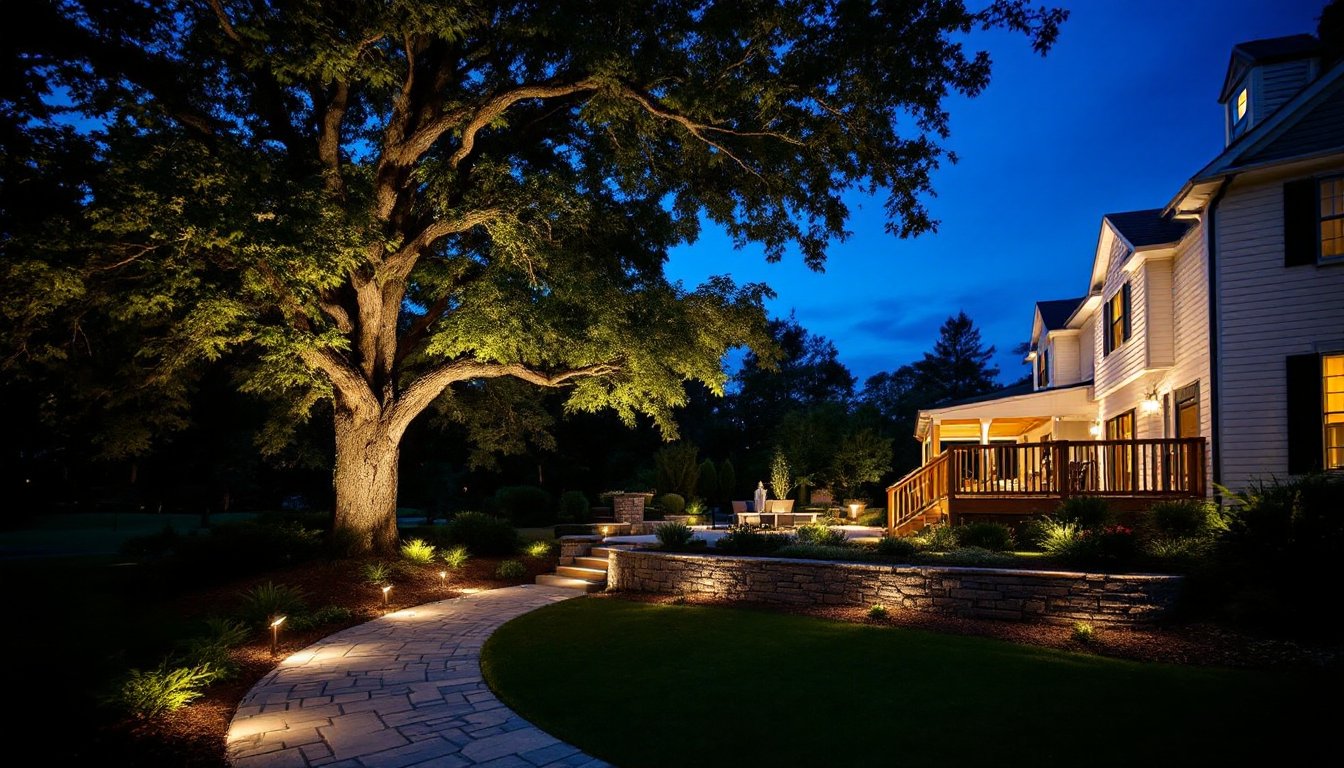
Well-planned outdoor lighting changes how a Greenville property looks after dark, and how safe it feels. Whether it’s highlighting mature landscaping, illuminating walkways for guests, or adding security around dark corners, the right lighting system does real work. It extends usable outdoor space into evening hours, deters potential intruders, and adds curb appeal that’s visible from the street. For homeowners in Greenville’s climate, with mild winters and long summer evenings, outdoor lighting is a year-round asset. This guide covers what matters: fixture types, design considerations, and whether to tackle installation solo or call in a licensed electrician.
Table of Contents
ToggleKey Takeaways
- Greenville outdoor lighting extends usable outdoor space into evening hours while improving safety, deterring intruders, and boosting curb appeal year-round.
- Low-voltage landscape lighting systems (12V or 24V) are DIY-friendly and accessible for most homeowners, requiring only basic tools and a weekend of work to install path lights and accent fixtures.
- Security lighting and 120V line-voltage wiring require permits and a licensed electrician in Greenville jurisdictions to ensure code compliance and prevent safety hazards.
- Color temperature—warm white (2700–3000K) for entryways, neutral white (3500–4000K) for task areas—significantly impacts how outdoor spaces feel and function after dark.
- A layered lighting design that combines fixtures for security, accents, and task functions delivers better results than over-lighting with poorly placed or overlapping fixtures.
Why Outdoor Lighting Matters for Greenville Homeowners
Greenville sits in a region where outdoor living is a big part of home life. Patios, decks, and gardens see use from early spring through late fall, and even mild winter evenings. Outdoor lighting extends that usability well past sunset.
Safety is the most immediate benefit. Unlit steps, uneven pavers, and dark driveways are trip hazards and liability risks. A well-lit entrance and pathway system reduces those risks significantly. For homes on larger lots or properties backing onto wooded areas, security lighting adds a layer of deterrence, motion-activated floods or dusk-to-dawn fixtures make it harder for unwanted visitors to approach unnoticed.
Curb appeal gets a measurable boost, too. Real estate professionals note that thoughtful exterior lighting can increase perceived home value, especially in neighborhoods where most homes go dark after sundown. Uplighting on trees, accent lights on architectural features, and soft path lighting create visual interest that sets a property apart.
Finally, there’s the practical matter of usability. Outdoor kitchens, fire pits, and seating areas need task lighting to function after dark. A homeowner who’s invested in a landscaped backyard wants to enjoy it in the evening, not stumble through it with a flashlight. Good lighting design makes outdoor spaces as functional as interior rooms.
Popular Outdoor Lighting Options for Greenville Properties
Landscape Lighting
Landscape lighting focuses on aesthetics and highlighting features. Common fixture types include:
- Spotlights and uplights: Narrow-beam fixtures (typically 10–30 degrees) positioned at ground level to wash light upward on tree trunks, stone facades, or columns. Use 3–5 watt LED bulbs for subtle accent work: higher wattages (10–15 watts) for larger trees or two-story features.
- Path lights: Low-profile fixtures (usually 12–18 inches tall) that mark walkways and garden borders. Look for fixtures with downward-facing shields to reduce glare and light pollution. Spacing them 8–10 feet apart provides even coverage without over-lighting.
- Well lights: In-ground fixtures with heavy-duty housings rated for burial. These work well for uplighting shrubs, statuary, or low walls. Ensure they’re rated IP67 or higher for water and soil contact.
- Deck and step lights: Recessed fixtures installed into stair risers, deck posts, or under railings. They provide safety lighting without cluttering sightlines. Use warm white LEDs (2700–3000K) to match typical porch lighting.
Most residential landscape lighting runs on low-voltage systems (12V or 24V), which are safer to install and more energy-efficient than line-voltage (120V) setups. Transformers step down household current and often include timers or photocell sensors.
Security and Pathway Lighting
Security lighting prioritizes visibility and deterrence over ambiance. Key options include:
- Motion-sensor floodlights: Wall-mounted fixtures with adjustable heads and PIR (passive infrared) sensors. Set the sensitivity and duration carefully, too sensitive, and they’ll trigger for passing animals: too short, and they’ll shut off mid-task. Aim for 1,200–2,000 lumens for driveway or side-yard coverage.
- Dusk-to-dawn fixtures: These use photocells to activate automatically at sunset. They’re ideal for perimeter lighting or areas that need constant low-level illumination (like a detached garage or back gate).
- Pathway bollards: Taller (24–36 inches) fixtures that mark driveways, long walkways, or property edges. They’re sturdier than standard path lights and better for high-traffic areas.
For wiring 120V fixtures (most motion floods and wall-mounted security lights), homeowners need to follow NEC (National Electrical Code) standards: outdoor-rated boxes, GFCI protection, and proper conduit if wiring is exposed. In many Greenville jurisdictions, adding new 120V circuits outdoors requires a permit and inspection. Hiring a licensed electrician is often the smarter move unless the homeowner has electrical experience.
Choosing the Right Outdoor Lighting Design for Your Home
Good outdoor lighting design balances function, aesthetics, and energy use. Start by identifying priorities: Does the property need security coverage? Accent lighting for mature landscaping? Task lighting for a patio? Most homes benefit from a layered approach that combines multiple fixture types.
Create a lighting plan before buying a single fixture. Walk the property at dusk and note dark zones, architectural features worth highlighting, and areas that feel unsafe. Mark these on a simple site sketch. Measure distances between proposed fixture locations, this helps calculate wire runs and transformer capacity for low-voltage systems.
Color temperature matters more outdoors than many DIYers realize. Warm white (2700–3000K) mimics incandescent bulbs and feels inviting near entryways and living areas. Neutral white (3500–4000K) works for task lighting (grills, workbenches). Cool white (5000K+) is harsh and uninviting, save it for utility areas like alleys or storage sheds.
Avoid over-lighting. More fixtures don’t automatically mean better results. Overlapping light cones create glare and wash out the very features being highlighted. A single well-placed uplight on a tree trunk often looks better than three poorly aimed ones. Use fixtures with adjustable heads or shields to control beam spread and prevent light trespass onto neighboring properties.
Factor in maintenance. Fixtures in garden beds will need occasional cleaning as mulch and soil build up. Ensure access panels and bulbs can be reached without digging up plants. For low-voltage LED systems, expect bulbs to last 25,000–50,000 hours, but transformers, timers, and wire connections will need occasional inspection.
Finally, consider smart controls. Many modern transformers and fixtures integrate with Wi-Fi or Z-Wave hubs, allowing scheduling, dimming, and remote control. This is useful for vacation security (randomizing lighting patterns) and energy savings, but adds complexity and cost.
Professional Installation vs. DIY: What Greenville Residents Should Know
Low-voltage landscape lighting (12V) is one of the most DIY-friendly outdoor projects. Most systems use plug-in transformers and quick-connect wiring, no conduit, no breaker panels, and minimal code requirements. A homeowner with basic tools (a shovel, wire strippers, and a volt meter) can install a modest path lighting system in a weekend. The biggest challenges are laying wire neatly (bury it 6–8 inches deep to avoid nicking it with edging tools) and balancing the load across transformer terminals to prevent voltage drop.
Where DIY hits limits:
- 120V wiring: Adding new line-voltage circuits for floodlights, post lamps, or large fixtures requires working inside the breaker panel and running conduit. Mistakes can cause shocks, fires, or failed inspections. Most Greenville municipalities require permits for this work, and many homeowner insurance policies specify that electrical work must be done by a licensed professional. Unless the homeowner holds an electrical license, this is a job to hire out.
- Complex designs: Multi-zone systems with separate timers, integrated smart controls, or accent lighting across large properties benefit from professional design. Lighting designers calculate fixture placement, beam angles, and wire gauge to avoid trial-and-error.
- Structural mounting: Attaching fixtures to brick, stone, or stucco requires the right anchors and weatherproofing. Improper mounting can crack masonry or allow water infiltration.
Hiring a pro typically costs $2,000–$5,000 for a full-property low-voltage system (fixtures, transformer, installation, and design). Line-voltage work billed at electrician rates runs $75–$150/hour in the Greenville area, plus materials. For security lighting or adding circuits, the cost is justified by code compliance and safety. For landscape accent lighting, DIY can work if the homeowner is comfortable with layout and burial work.
Tool alternatives: A trenching shovel is faster than a standard spade for wire burial. Some DIYers rent a cable plow or edger for long runs. For low-voltage connections, twist-on wire connectors filled with dielectric grease are more reliable than the cheap crimp clips that come in some kits.
Conclusion
Outdoor lighting in Greenville delivers real value: safer walkways, extended outdoor living, and curb appeal that stands out. Low-voltage landscape systems are accessible DIY projects for homeowners willing to dig trenches and follow a plan. Line-voltage security lighting and complex designs are better left to licensed electricians. Either way, the result is a property that’s more functional and inviting long after the sun goes down.