
Liberty Lake residents know the reality: seasonal gear piles up, lake toys take over the garage, and that spare bedroom becomes a storage unit by default. With the area’s mix of outdoor enthusiasts, families upsizing, and remote workers converting spaces, the need for off-site storage isn’t a luxury, it’s practical. Whether someone’s clearing space for a home renovation, parking an RV between trips, or just reclaiming a functional garage, the right storage facility solves real square-footage problems. This guide breaks down what’s available in Liberty Lake, what features matter, and how to choose a unit that won’t cost more than it’s worth.
Table of Contents
ToggleKey Takeaways
- Storage solutions in Liberty Lake address real space challenges for outdoor enthusiasts, families in transition, and remote workers converting home offices, making them a practical necessity rather than a luxury.
- Climate-controlled storage units cost 15–25% more than standard units but protect sensitive items like electronics, wood furniture, and collectibles from temperature and humidity damage in Liberty Lake’s extreme seasonal swings.
- When choosing a storage facility, prioritize 24/7 access, on-site management, video surveillance, and drive-up units for convenience, while always visiting in person to inspect cleanliness and unit condition before signing.
- Liberty Lake storage pricing ranges from $40–$65 monthly for 5×5 standard units to $150–$250+ for enclosed vehicle storage, with most facilities requiring one month’s deposit and mandatory insurance coverage.
- Maximize your storage unit space by using uniform box sizes, installing shelving, keeping an aisle accessible, and storing heavy items low—these practices can reduce the size of unit needed and lower overall costs.
- Document valuable items with photos before storing, and avoid prohibited materials like flammables and perishables to protect your insurance coverage and prevent facility eviction.
Why Liberty Lake Residents Choose Storage Solutions
Liberty Lake sits in a sweet spot, close enough to Spokane for work, far enough out for acreage and recreation. That lifestyle comes with gear accumulation. Boats, snowmobiles, kayaks, camping trailers, and bikes all need somewhere to live when they’re not in use.
Many homes here have two- or three-car garages, but they fill fast. Add in lawn equipment, tools, holiday decor, and bulk pantry storage (a Costco run can overwhelm a small house), and suddenly there’s no room for vehicles. Instead of parking a truck in the driveway all winter, residents turn to storage units.
Another driver: home transitions. Families downsizing from larger homes or waiting for new construction often need a bridge solution. Military families stationed at Fairchild AFB also use storage during deployments or relocations. And with Liberty Lake’s growing remote work population, some people convert spare rooms into offices, which means boxes and furniture need a temporary home.
Seasonal swings matter, too. Winter gear goes dormant in summer: summer toys hibernate in winter. Rather than let equipment clutter living spaces, a storage unit keeps things organized and accessible without sacrificing daily function.
Types of Storage Units Available in Liberty Lake
Liberty Lake facilities offer a range of unit types, each suited to different needs. Knowing the distinctions saves money and protects belongings.
Climate-Controlled vs. Standard Storage Units
Climate-controlled units maintain temperature and humidity levels year-round, typically between 55–80°F. This matters in Liberty Lake, where summer temps hit the 90s and winter dips below freezing. Electronics, wood furniture, musical instruments, photos, documents, and anything with upholstery or fabric benefit from stable conditions. Humidity swings can warp wood, crack leather, and encourage mold, climate control prevents that.
Cost-wise, expect to pay 15–25% more for climate control compared to standard units. For someone storing metal tools, patio furniture, or sports equipment, the premium isn’t necessary. But for heirlooms, business inventory, or anything irreplaceable, it’s worth it.
Standard (non-climate-controlled) units work fine for durable goods. They’re essentially enclosed garages, protected from weather but not insulated. These units suit lawn mowers, grills, kayaks, tires, and bulk household goods that can tolerate temperature swings. Just avoid storing anything moisture-sensitive directly on the floor: use pallets or shelving to keep items off concrete.
Unit sizes run from 5×5 feet (closet-sized, good for boxes and small items) up to 10×30 feet (small-garage equivalent, fits multiple rooms of furniture or a vehicle). Most people find a 10×10 or 10×15 unit handles typical household overflow.
Vehicle and RV Storage Options
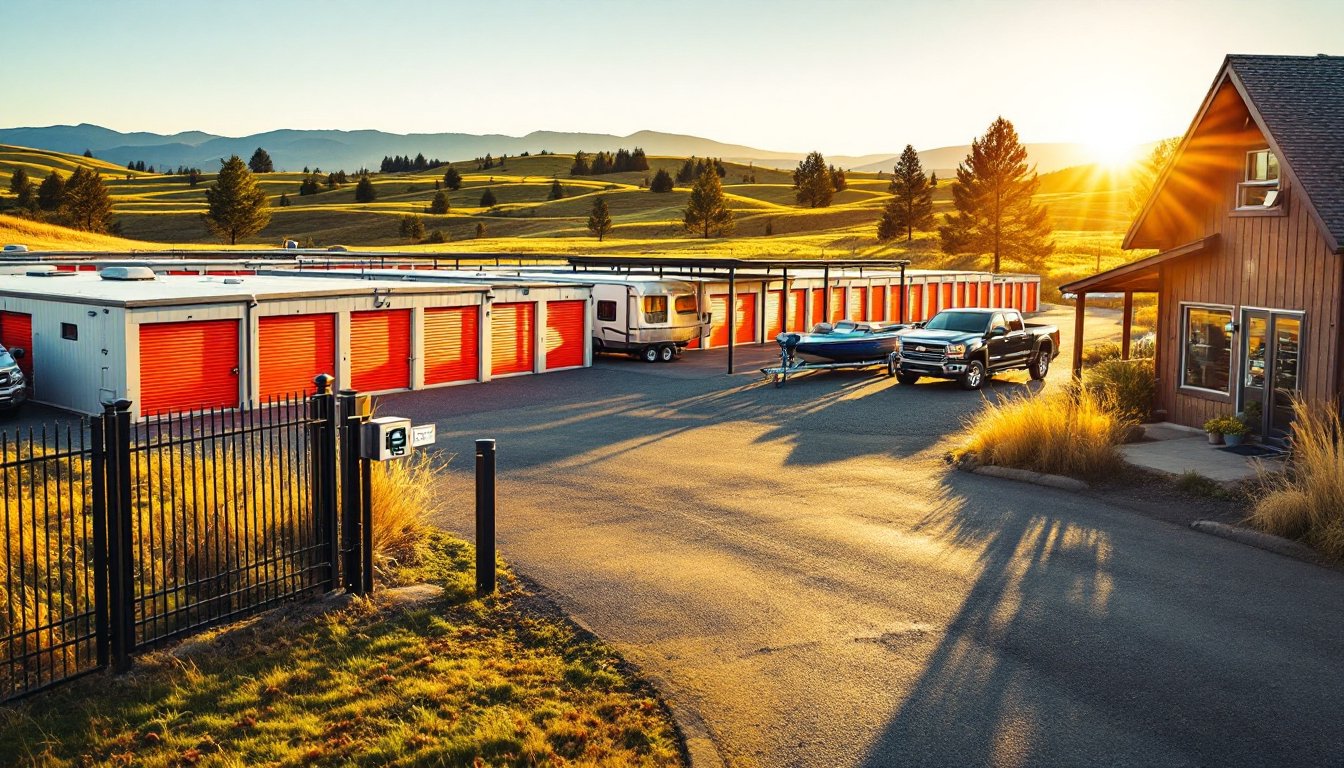
Liberty Lake’s outdoor culture means vehicle storage is a major category. Facilities offer:
- Uncovered outdoor spaces: Open parking spots, usually gravel or paved, for boats, trailers, RVs, and extra vehicles. Cheapest option, but no protection from sun, rain, or snow.
- Covered parking: Carport-style canopies shield from precipitation and UV but leave sides exposed. Good middle ground for RVs and boats.
- Enclosed units: Drive-up garages with roll-up doors, fully protecting vehicles. Best for classic cars, motorcycles, or high-value toys.
RV storage pricing depends on length. A 20-foot travel trailer costs less than a 40-foot Class A motorhome. Some facilities require proof of insurance and current registration. If someone’s storing a vehicle long-term, adding a fuel stabilizer and disconnecting the battery prevents maintenance headaches.
A few facilities offer dump stations and wash bays on-site, a nice perk for prepping an RV before or after a trip.
How to Choose the Right Storage Facility in Liberty Lake
Not all storage facilities are equal. A few key factors separate the convenient from the frustrating.
Access hours matter. Some facilities offer 24/7 gate access: others restrict hours to daytime or require advance notice. For someone who might need to grab gear early morning or late evening, unrestricted access is essential. Check if the facility uses a keypad code, gate card, or app-based entry, and whether there’s a fee if a card is lost.
Security features should include perimeter fencing, gated entry, and motion-sensor lighting. Better facilities add video surveillance covering driveways and unit doors. Some offer individual unit alarms. Ask whether cameras are monitored live or just recorded. While theft is rare, it happens, especially with easily resold items like tools and electronics.
On-site management is a plus. A manager who’s physically present can handle issues quickly, from gate malfunctions to pest concerns. Remote-managed facilities save overhead but can leave renters waiting on phone support.
Unit cleanliness and maintenance tell you how the facility operates. Visit in person before signing anything. Check for rodent droppings, water stains, or musty odors. Inspect door seals and locks, they should fit snugly and operate smoothly. A well-maintained facility reflects management that cares.
Drive-up vs. interior units: Drive-up units let you back a truck right to the door, huge convenience for loading and unloading heavy or bulky items. Interior units (accessed via hallways or elevators) offer better climate control but require hauling items farther. Choose based on what’s being stored and how often it’ll be accessed.
Finally, location and convenience count. A facility five minutes from home gets used: one 20 minutes away becomes a hassle. Consider the route, can a truck or trailer navigate it easily?
What to Expect: Pricing and Rental Terms for Liberty Lake Storage
Storage pricing in Liberty Lake varies by unit size, type, and facility amenities. As of 2026, rough monthly rates look like this:
- 5×5 standard unit: $40–$65
- 10×10 standard unit: $90–$140
- 10×10 climate-controlled unit: $110–$170
- 10×20 standard unit: $150–$220
- Outdoor RV/boat parking (uncovered): $50–$100 depending on length
- Covered RV parking: $90–$150
- Enclosed vehicle unit: $150–$250+
Prices fluctuate with demand. Summer months see higher rates as people move and recreate: winter often brings discounts. Newer facilities with premium features (high-end security, app-based access, on-site retail) charge more than older, no-frills operations.
Most facilities require a security deposit equal to one month’s rent, refundable upon move-out if the unit’s left clean and undamaged. Some waive deposits for tenants who pay via auto-debit.
Rental terms are typically month-to-month, with 30 days’ notice to vacate. A few facilities offer discounts for prepaying 6 or 12 months. Read the fine print on late fees (often $20+ after a grace period) and auction policies, if rent goes unpaid for 60–90 days, contents may be auctioned to recover costs.
Insurance is usually mandatory. Renters can either show proof of coverage through their homeowner’s or renter’s policy, or purchase the facility’s plan (typically $10–$20/month for $2,000–$5,000 in coverage). Verify what’s covered, many policies exclude vehicles, high-value collectibles, or business inventory.
Some facilities charge extra for electricity access in units (useful for keeping a dehumidifier running) or administrative fees at move-in. Ask for the all-in cost before signing.
Tips for Maximizing Your Storage Unit Space
Renters often pay for more space than they need because they stack poorly. A little planning goes a long way.
Use uniform box sizes when possible. Bankers boxes (12×15×10 inches) or plastic storage bins stack neatly and maximize vertical space. Oddly shaped bags and mismatched boxes create wasted gaps.
Label everything on at least two sides. When boxes are stacked deep, labels on the ends or tops stay visible. Use a permanent marker and be specific, “kitchen – dishes” beats “misc.”
Install shelving if the facility allows it. Freestanding wire racks or plastic shelving units (available at any hardware store) let you use vertical space without stacking boxes to the ceiling. This also improves airflow and makes items easier to access.
Disassemble furniture where practical. Table legs unscrew, bed frames break down, and shelving units come apart. This reduces the footprint and prevents damage during moves. Keep hardware in labeled baggies taped to the furniture piece.
Store heavy items low, light items high. Boxes of books or tools go on the floor: linens and holiday decor go on top shelves. This prevents crushing and makes retrieval safer.
Leave an aisle down the center if the unit’s deep. Even a narrow 2-foot path lets you access items at the back without unloading the entire unit.
Protect mattresses and upholstery with covers, not plastic tarps, which trap moisture and promote mildew. Use breathable fabric or specialized mattress bags.
Don’t store prohibited items. Most facilities ban flammables (gasoline, propane, paint thinners), perishables, plants, and anything illegal. Violating this can void insurance and get you evicted without refund.
Finally, take photos of valuable items before storing them. If something’s damaged or an insurance claim arises, documentation makes the process smoother.