
Bicycles lean against garage walls, sprawl across basement floors, and tangle with garden tools, until the frame gets scratched, tires go flat from sitting, or someone trips over a pedal in the dark. Proper storage isn’t just about reclaiming floor space: it’s about protecting an investment that can range from a few hundred to several thousand dollars. Whether a homeowner stores a single cruiser or a fleet of mountain bikes, the right solution keeps frames safe from damage, prevents rust and tire deformation, and makes grabbing a bike for a ride effortless. This guide covers proven storage methods for indoor, outdoor, and garage spaces, ranging from simple DIY hooks to complete bike shed systems.
Table of Contents
ToggleKey Takeaways
- Proper bicycle storage solutions protect your investment by preventing rust, tire damage, and frame scratches while maintaining easy access to your bikes.
- Wall-mounted hooks and track systems are ideal for indoor spaces, offering flexible positioning that works in garages, basements, and utility rooms with minimal floor space consumption.
- Freestanding floor stands are installation-free alternatives perfect for renters or frequent riders who need to move bikes in and out without lifting.
- Outdoor bicycle storage requires weatherproofing and security measures—bike sheds with ventilation offer the best protection, while covers and wall-mounted racks work for milder climates.
- Ceiling-mounted hoists and slatwall systems maximize garage and shed space by storing bikes overhead or at height, reserving floor space for other uses.
- Organize bikes by access frequency: place daily-use bikes on low wall hooks or floor stands, and store seasonal bikes overhead or in back areas to keep traffic lanes safe and clear.
Why Proper Bicycle Storage Matters
A bicycle left on the ground suffers. Tires develop flat spots from bearing the frame’s weight in one position for weeks. Chains rust when exposed to moisture, especially in basements or garages with seasonal humidity swings. Handlebars and pedals become obstacles that catch shins, scratch car doors, or knock over adjacent items.
Beyond the physical toll, poor storage creates friction. When retrieving a bike requires moving three other bikes, a lawn mower, and a bag of mulch, riders skip trips. Proper storage eliminates that barrier. A bike on a wall hook or in a dedicated stand is always ready, no excavation required.
Value protection also matters. A carbon fiber road bike or a quality electric bike represents serious money. Storing it horizontally on hooks distributes weight evenly and keeps the frame away from concrete floors that can wick moisture. For families with multiple bikes, organized storage prevents the domino effect where one tipping bike damages others.
Safety enters the equation too. Bikes on the floor are tripping hazards, particularly in dimly lit garages or sheds. Wall-mounted or overhead storage keeps traffic lanes clear and reduces the chance of someone stepping on a spoke or catching a foot under a pedal.
Indoor Bicycle Storage Solutions
Indoor storage suits climates with harsh winters, apartments without garages, or anyone who wants their bike immediately accessible. The challenge is balancing space efficiency with aesthetic acceptance, most living spaces don’t welcome a grimy mountain bike as décor.
Wall-Mounted Racks and Hooks
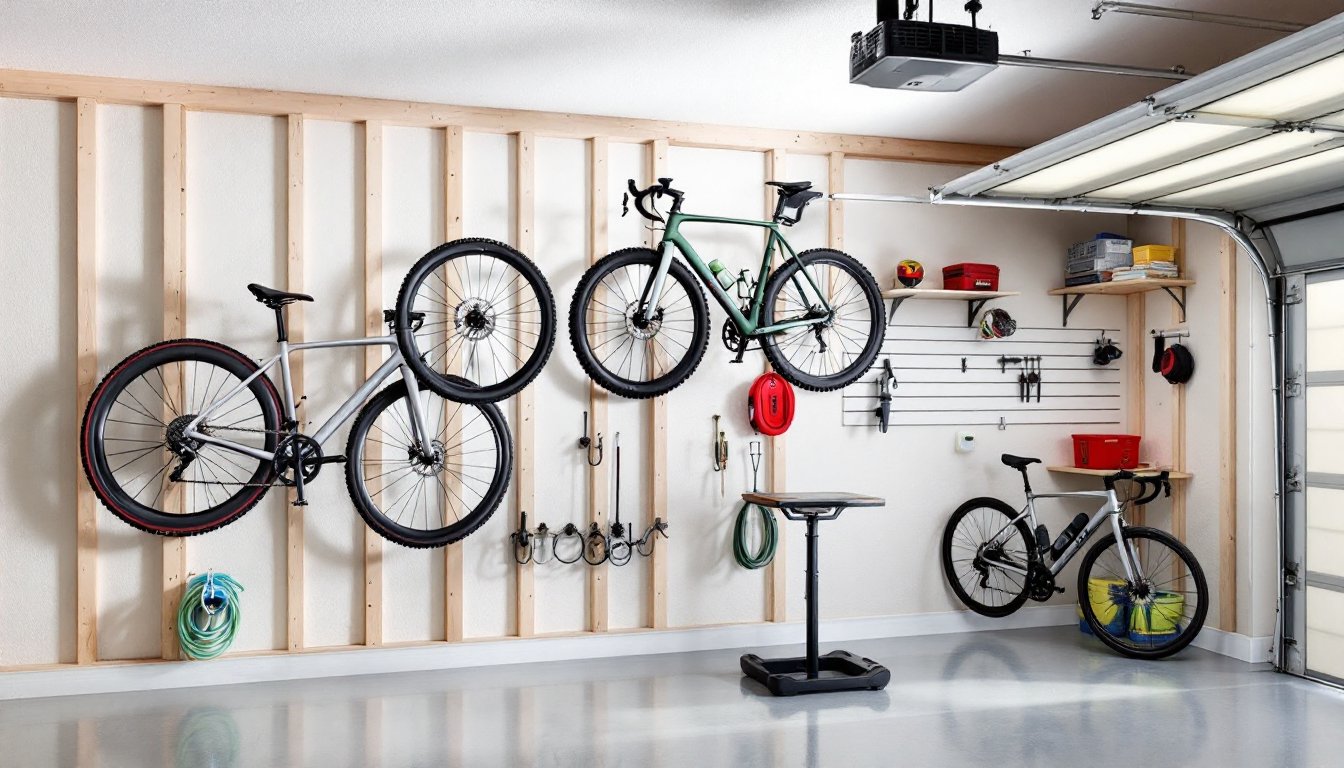
Wall-mounted hooks are the workhorse of bike storage. A simple horizontal hook holds the bike by the top tube or one wheel, lifting it completely off the floor. Installation requires locating studs (typically 16 inches on center in modern construction) and driving lag bolts or heavy-duty screws. Each hook should support 50-75 pounds minimum, check the product specs. For drywall-only mounting, use toggle bolts rated for the bike’s weight, though stud mounting is always stronger.
Vertical hooks hang the bike by the front wheel, reducing the horizontal footprint to about 12-18 inches. This works well in narrow hallways or closets but requires higher ceilings (8 feet minimum) since the bike hangs vertically. Riders need to lift the front wheel overhead, which can be awkward for heavier e-bikes or for users with limited upper body strength.
Track systems offer flexibility. An aluminum rail mounts to studs, and individual hooks slide along the track to adjust spacing. This adapts as the bike fleet changes, useful for families where kids’ bikes get replaced every few years. Brands like Rubbermaid and Gladiator make garage-focused versions, but they work equally well in basements or utility rooms.
For minimal wall damage, consider gravity stands that lean against the wall. These aren’t mounted but use the bike’s weight to create stability. They work for renters or anyone hesitant to drill holes, though they still occupy floor space.
Freestanding Floor Stands
Floor stands require no installation and move wherever needed. A basic wheel-tray stand holds the bike upright by supporting the front or rear wheel in a slotted base. Stands typically measure 18-24 inches long and 12-15 inches wide, fitting easily in corners or along walls. They’re ideal for frequent riders who want to roll the bike in and out without lifting.
For multiple bikes, vertical floor racks stagger bikes at alternating heights, packing two to six bikes into a 3-4 foot wide footprint. The bikes nestle together, with handlebars and pedals offset to avoid contact. These racks work in garages, mudrooms, or even wide hallways. Look for rubber-coated contact points to prevent frame scratches.
Leaning racks prop the bike at an angle against a padded frame. They’re stable and require no lifting, making them good for heavier bikes or users with mobility concerns. The tradeoff: they extend 3-4 feet from the wall, consuming more floor space than vertical options.
Outdoor Bicycle Storage Options
Outdoor storage exposes bikes to sun, rain, temperature swings, and potential theft. Solutions need to address weatherproofing and security, not just organization.
Bike Sheds and Covers
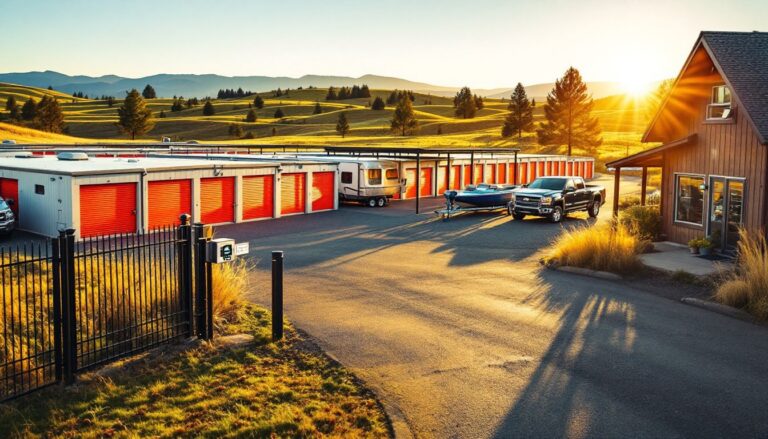
Bike sheds are purpose-built structures, typically 4-6 feet deep and 3-4 feet wide for one or two bikes. Many use resin or metal construction with sloped roofs for water runoff. Models from Keter, Suncast, and Rubbermaid include anchor points for floor mounting, essential in wind-prone areas. Ventilation matters: look for vents or gaps to prevent condensation buildup, which accelerates rust on chains and cables.
Installation usually requires a level surface. A gravel pad, paver base, or concrete slab works. Avoid placing sheds directly on soil: moisture wicks up and frames can shift as ground settles. Some jurisdictions classify sheds over a certain size (often 120 square feet) as structures requiring permits, though bike-specific sheds typically fall well under that threshold. Check local zoning if adding a larger unit.
Bike covers are the budget option, heavy-duty polyester or tarp material draped over the bike and secured with elastic hems or drawstrings. A quality cover costs $30-60 and protects against rain and UV, but offers zero security. Covers also trap moisture if the bike is wet when covered, so they work best in low-humidity climates or with bikes that dry thoroughly before storage. For serious weather protection, look for covers with ventilation panels.
Wall-mounted outdoor racks attach to exterior walls, garages, or fences. Use stainless steel or powder-coated hardware to resist rust. Pair them with a locking cable or U-lock threaded through the frame and rack. This setup works for mild climates where occasional rain won’t damage the bike, but it leaves components exposed to sun degradation (handlebar grips, saddles, and tire sidewalls all suffer from prolonged UV exposure).
Garage and Shed Storage Systems
Garages and sheds offer the best of both worlds, protection from weather and space for bulkier storage solutions.
Ceiling-mounted hoists use pulley systems to lift bikes overhead, freeing up floor and wall space. Installation requires joists capable of supporting the bike’s weight plus a safety margin, typically 100 pounds per hoist. Locate joists with a stud finder (they run perpendicular to rafters, typically 16 or 24 inches on center). Lag bolts or heavy-duty eye bolts anchor the system. Hoists work well for seasonal bikes that won’t be accessed weekly, though lifting a 50-pound e-bike overhead gets tedious if done daily.
Slatwall and pegboard systems turn garage walls into modular storage. Slatwall panels (often 4×8 feet) mount to studs, and accessories, hooks, shelves, baskets, slide into horizontal grooves. Bike hooks designed for slatwall typically hold 35-50 pounds, so verify weight ratings for heavier bikes. Pegboard is cheaper but less robust: bikes over 30 pounds can pull pegs out over time, especially if hooks aren’t secured with locking clips.
Bike rails mount near the ceiling or high on walls, with hooks that drop down to hang bikes by the front wheel. They keep bikes above head height, leaving lower wall space for tools or shelving. Rails require 8-10 feet of ceiling height to allow comfortable access without stooping.
For sheds without finished walls, stud-mounted hooks attach directly to exposed framing. Use 3-inch lag screws into 2×4 studs for solid hold. Space hooks 24-30 inches apart to prevent handlebar overlap.
Storage tip: Group bikes by use frequency. Daily riders get the easiest access, floor stands or low wall hooks. Seasonal bikes go overhead or toward the back. Kids’ bikes, which get outgrown and replaced, shouldn’t occupy prime real estate: use adjustable systems that reconfigure easily.
Safety reminder: Always wear safety glasses when drilling overhead, and use a sturdy ladder with a helper steadying it if working above shoulder height.