
In-Lite outdoor lighting has carved out a reputation among homeowners and landscape professionals for blending thoughtful design with durable, low-voltage technology. Manufactured in the Netherlands, the company’s fixtures emphasize clean lines, quality materials, and plug-and-play installation that doesn’t require an electrician for most setups. Unlike big-box landscape lighting kits that corrode after one season, In-Lite products use marine-grade stainless steel, powder-coated aluminum, and proprietary connectors that resist moisture and simplify troubleshooting. For DIYers ready to upgrade curb appeal or add safety lighting along pathways, In-Lite offers a middle ground between cheap solar stakes and full-scale hardwired systems.
Table of Contents
ToggleKey Takeaways
- In-Lite outdoor lighting systems use marine-grade stainless steel and durable materials that resist corrosion, making them a long-lasting alternative to cheap landscape lighting kits that fail after one season.
- The EasyLock connector system enables tool-free, waterproof connections that allow homeowners to easily add, relocate, or remove fixtures without cutting wires or hiring an electrician.
- In-Lite’s 12-volt DC LED technology with built-in timers and dimming functions draws only 20-60 watts total, costing around $11 annually to operate while providing safe, cool-to-touch illumination.
- DIY installation is straightforward for most In-Lite outdoor lighting setups, requiring only basic tools and no electrical license, though a GFCI outlet installation may require a professional electrician.
- The company’s understated European design philosophy emphasizes focused, layered lighting with warm white LEDs that enhance architectural features and natural landscaping rather than creating harsh, uniform brightness.
What Makes In-Lite Outdoor Lighting Different?
In-Lite’s defining feature is its EasyLock connector system, a waterproof, tool-free connection method that lets users add or relocate fixtures without cutting wires or using wire nuts. Each fixture includes a built-in connector that clips onto a main cable: internal contacts pierce the cable insulation to create the electrical path. This approach eliminates common failure points like corroded twist connectors and makes layout changes as simple as unplugging a lamp.
The fixtures themselves use 12-volt DC LED technology, drawing power from a weatherproof transformer (typically 60W, 100W, or 150W capacity). Voltage drop, a common issue in long low-voltage runs, is minimized through heavy-gauge cable (usually 14 AWG or 12 AWG) and thoughtful circuit design. In-Lite transformers include built-in timers, photocells, and dimming functions, so homeowners can automate lighting schedules without adding separate controllers.
Material quality separates In-Lite from budget competitors. Marine-grade 316 stainless steel resists salt air and acidic soils better than standard 304 alloy. Powder-coated aluminum housings hold up against UV exposure and temperature swings. Lenses are impact-resistant polycarbonate or tempered glass, not thin acrylic that yellows over time. The company backs most fixtures with a two-year warranty, though many users report trouble-free operation well beyond that.
Design-wise, In-Lite favors understated European aesthetics, minimal bezels, recessed mounting options, and neutral finishes (black, dark grey, white). Fixtures are meant to disappear into hardscaping during the day and provide focused illumination at night, rather than becoming decorative focal points themselves.
Popular In-Lite Lighting Systems and Products
Low Voltage Pathway and Garden Lights
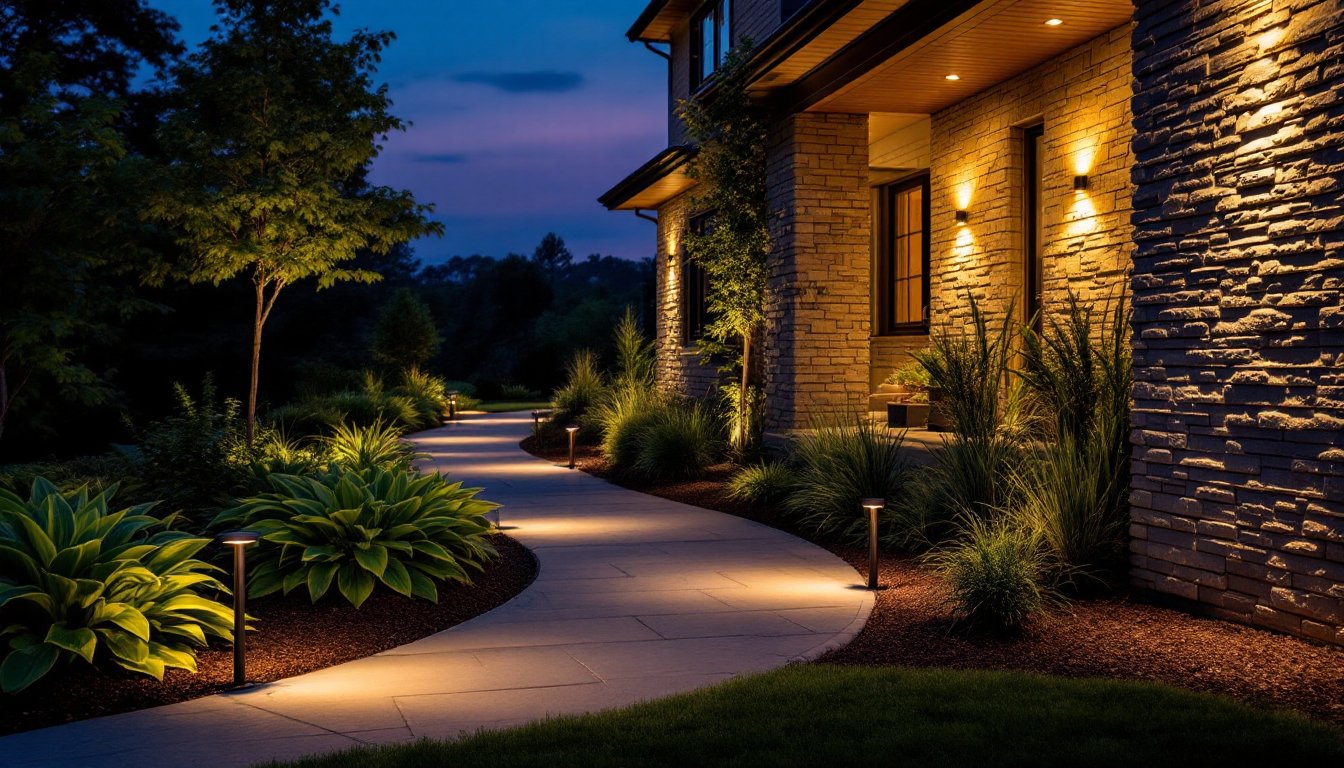
In-Lite’s pathway fixtures fall into two main categories: spike-mount garden lights and flush-mount deck/paver lights. The SCOPE and ACE series are popular spike-mount options, featuring adjustable heads that direct light downward or at an angle to highlight plantings or walkway edges. These install in minutes, push the spike into soil or mulch, clip the EasyLock connector onto the main cable, and aim the fixture. Beam angles range from narrow 15° spots (for uplighting trees) to wide 60° floods (for pathway illumination).
For hardscape integration, the HYVE and FUSION recessed lights sit flush with pavers, decking, or concrete. They require a 67mm diameter hole (about 2.6 inches), which most hole saws can cut in pavers or composite deck boards. A plastic sleeve slides into the hole, the fixture drops in, and a locking ring secures it. These are rated for foot traffic, but not for driveways, vehicles should not roll over them. Light output is modest (typically 1-3 watts per fixture), designed to mark edges rather than flood an area.
Both types use warm white LEDs (2700K-3000K color temperature) that render colors naturally and don’t create the harsh blue-white glare common in cheap solar lights. Lumen output per fixture ranges from 30 to 100 lumens, depending on the model. That’s intentional, overlighting a garden washes out texture and creates light pollution. In-Lite’s philosophy is layered, targeted lighting rather than blanket brightness.
Wall and Facade Lighting Solutions
In-Lite’s wall-mount fixtures serve three functions: downlighting (grazing vertical surfaces), uplighting (washing walls or columns), and accent lighting (highlighting architectural details). The WALL DARK and BIG WALL series are compact, surface-mount fixtures that cast narrow or wide beams up or down. Installation involves mounting a bracket with two screws (into masonry anchors or wood siding), snapping the fixture onto the bracket, and connecting the EasyLock cable.
For brick or stone facades, the SCOPE WALL offers adjustable aiming, useful for highlighting corbels, lintels, or textured stonework. The fixture body is small (about 4 inches tall), so it doesn’t dominate the wall during daylight.
Soffit and eave lights like the PUCK series recess into overhangs, providing indirect downlighting for patios or entryways. These require a 68mm hole cut into the soffit material (wood, vinyl, or aluminum). Wiring runs above the soffit, out of sight. Because they’re recessed, these fixtures have limited adjustability, placement matters. A common mistake is spacing them too far apart, creating dark spots between pools of light.
All wall fixtures include glare shields or louvered lenses to prevent direct eye contact with the LED, which is critical for lights mounted at or above eye level. Local codes don’t typically regulate low-voltage landscape lighting, but thoughtful placement prevents nuisance lighting that spills onto neighbors’ properties.
Installation and Setup: What You Need to Know
In-Lite markets itself as DIY-friendly, and for good reason, most installations require no electrical license. The system runs on 12V DC, which is considered low-voltage and exempt from NEC permitting in most jurisdictions (always verify local codes). The transformer plugs into a standard 120V GFCI outlet: if an outdoor outlet isn’t available, an electrician will need to install one. That outlet should be GFCI-protected per NEC 210.8, a requirement for outdoor receptacles.
Layout starts with the transformer location. Mount it near the GFCI outlet, ideally in a sheltered spot (under an eave, inside a garage with the cable exiting through a drilled hole, or in a weatherproof enclosure). The main cable runs from the transformer to the farthest fixture, with branch fixtures connecting via EasyLock connectors along the way. Cable burial depth varies by local code: IRC typically requires 6 inches minimum for low-voltage landscape wire, but burying it 8-12 inches under mulch or turf adds protection against edging tools and frost heave.
Common tools for installation include a flat spade or trenching shovel, a cordless drill with masonry bits (for wall mounts), a hole saw (for recessed lights), and a tape measure. In-Lite’s instructions are detailed, but they assume users understand basic electrical concepts like circuit load calculation. Each transformer lists its maximum wattage: add up the wattage of all fixtures to ensure the total doesn’t exceed 80% of the transformer’s capacity (leaving headroom prevents overheating).
Voltage drop is the main technical challenge. Over long cable runs (beyond 50-75 feet), resistance reduces voltage at distant fixtures, dimming them. Solutions include using heavier gauge cable (12 AWG instead of 14 AWG), splitting the layout into multiple shorter runs, or upgrading to a higher-capacity transformer. In-Lite provides voltage drop calculators on their website, use them before buying cable.
Troubleshooting is straightforward thanks to the EasyLock system. If a fixture doesn’t light, unplug it and test with a multimeter at the connector (should read close to 12V). If voltage is present but the fixture is dark, the LED driver may be faulty, In-Lite replaces those under warranty. If voltage is low across the whole run, suspect voltage drop or a loose transformer connection.
Benefits of Choosing In-Lite for Your Outdoor Space
Longevity is In-Lite’s strongest selling point. While cheap landscape kits often fail within two years due to corroded connections or failed transformers, In-Lite systems routinely last a decade or more with minimal maintenance. The stainless steel and aluminum construction resists rust in coastal, high-moisture, and freeze-thaw environments where lesser fixtures deteriorate quickly.
Flexibility matters for evolving landscapes. Plants grow, hardscaping changes, and lighting needs shift. The EasyLock system allows homeowners to reposition fixtures, add new ones, or remove underperforming lights without rewiring. That’s a significant advantage over hardwired systems, which often require an electrician to make changes.
Energy efficiency is inherent to LED technology, but In-Lite’s dimming and timer functions amplify it. Typical systems draw 20-60 watts total, less than a single incandescent bulb, making them inexpensive to run year-round. At $0.13/kWh (U.S. average), a 40-watt system running six hours nightly costs about $11 annually.
Safety and code compliance are built in. Low-voltage systems eliminate shock hazards, and GFCI protection at the transformer adds a layer of safety. Because fixtures are cool to the touch even after hours of operation, they’re safe around kids, pets, and combustible mulch, a concern with halogen landscape lights, which can ignite dry leaves.
The aesthetic payoff is subtler but meaningful. Thoughtfully placed lighting enhances architecture, guides visitors safely along pathways, and extends outdoor living hours. In-Lite’s focused beams and warm color temperatures create depth and shadow that flatters landscaping rather than flattening it with harsh, uniform brightness.
Conclusion
In-Lite outdoor lighting occupies a sweet spot for homeowners who want professional-grade results without hiring a contractor. The EasyLock system, durable materials, and 12-volt simplicity make installation accessible to confident DIYers, while the design restraint ensures fixtures enhance rather than overwhelm a landscape. For those ready to move past solar stakes and disposable kits, In-Lite offers a scalable, long-term solution worth the upfront investment.