
Outdoor lighting doesn’t have to mean another row of path stakes or a generic porch fixture. The right unique lighting transforms yards, patios, and walkways into functional, eye-catching extensions of a home’s personality. In 2026, homeowners are moving beyond basic illumination toward lighting that acts as sculpture, conversation starter, and design anchor. Whether someone’s working with a compact courtyard or sprawling deck, unusual fixtures create mood, improve safety, and boost curb appeal. This guide breaks down practical, creative outdoor lighting options that go beyond the ordinary, with real installation and selection tips for DIYers ready to upgrade their exterior spaces.
Table of Contents
ToggleKey Takeaways
- Unique outdoor lighting serves as both functional illumination and design statement, transforming yards and patios into memorable, eye-catching extensions of your home while improving curb appeal and perceived property value.
- Sculptural fixtures, nature-inspired designs, and smart lighting systems offer creative alternatives that don’t compromise safety—all outdoor fixtures still require proper weatherproofing, UL listings, GFCI protection, and code-compliant installation.
- Choosing the right unique outdoor lighting requires balancing function first (task, ambient, and accent lighting needs) with style, scale, light temperature, and weather exposure before selecting or installing fixtures.
- Low-voltage systems (12V or 24V) provide safer DIY options for custom and upcycled lighting projects, while high-voltage wiring should be handled by licensed electricians to ensure compliance and safety.
- Consider fixture durability over aesthetics: powder-coated steel, stainless steel, and full-vitrification ceramics outperform cheaper materials in humid or coastal climates, and replaceable LED components reduce long-term waste.
Why Unique Outdoor Lighting Matters for Your Home
Standard lighting handles visibility. Unique lighting handles visibility and makes people stop and look. It’s the difference between a safe walkway and a walkway guests remember.
Curb appeal increases measurably with thoughtful exterior lighting. Real estate studies consistently show that well-lit homes photograph better, feel more welcoming, and command higher perceived value. Distinctive fixtures serve as focal points that draw the eye and create visual interest, even during daylight hours.
From a practical standpoint, unusual lighting solves the same problems as conventional options, illuminating steps, deterring intruders, extending usable hours on a deck, but with added character. A sculptural wall sconce provides the same lumen output as a builder-grade box fixture, but one becomes part of the design narrative.
Safety and code compliance don’t change with creative choices. All outdoor fixtures still need appropriate wet or damp location ratings (UL listing for outdoor use), GFCI-protected circuits per NEC Article 210.8, and proper mounting to structural members. Unique doesn’t mean risky. It means intentional.
Sculptural and Artistic Lighting Fixtures
Sculptural fixtures double as daytime art and nighttime illumination. These pieces work best as statement anchors, one bold fixture often outperforms three safe choices.
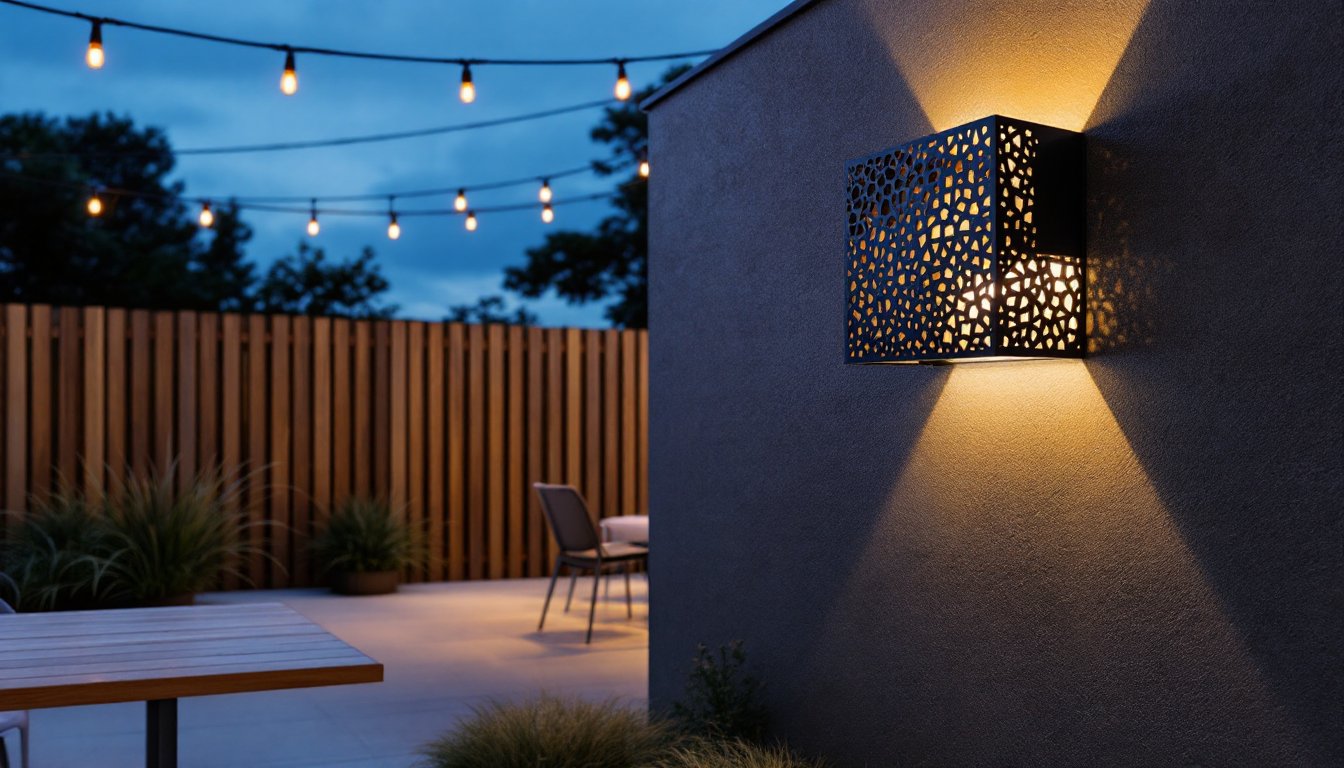
Look for geometric metal designs with cutout patterns that cast intricate shadows on walls or pavement. Powder-coated steel or aluminum holds up outdoors and handles coastal or high-humidity climates better than painted finishes. Expect IP65 or higher ratings for weather resistance.
Handblown glass pendants work beautifully over outdoor dining tables or entry alcoves. Thick, tempered glass withstands temperature swings. Install these on a dimmer-compatible circuit (check fixture specs, not all LED drivers dim smoothly) to adjust mood. Mounting requires a ceiling-rated junction box, properly flashed if installed under an open soffit or pergola.
Linear LED installations, think suspended tubes or edge-lit acrylic panels, bring a gallery feel to modern exteriors. These often run on low-voltage systems (12V or 24V), which simplifies DIY installation and reduces shock risk. A quality transformer matters: undersized units cause flickering and premature failure.
Installation tip: Sculptural pieces tend to be heavier than standard fixtures. Use a fan-rated or heavy-duty junction box, and ensure mounting screws hit solid blocking or structural framing. Toggle bolts in stucco or masonry won’t cut it for anything over five pounds.
Nature-Inspired Lighting Solutions
Nature-inspired lighting blends function with organic forms, softening hardscapes and integrating light into landscaping rather than plunking it on top.
Branch and twig fixtures mimic natural silhouettes. These work well flanking doorways or mounted on fence posts. Resin or powder-coated metal versions hold up better than raw wood, which weathers unpredictably. Look for designs with replaceable LED boards rather than integrated (non-replaceable) LEDs, when the light dies, the whole fixture shouldn’t become waste.
Stone or ceramic lanterns, especially those inspired by Japanese garden design, offer warm, diffused light. Porcelain and stoneware handle freeze-thaw cycles if they’re kiln-fired to full vitrification. Cheaper ceramics can crack in winter. These typically house candles or small LED pucks. For permanent installation, run low-voltage wiring to swappable LED inserts.
Floral and vine motifs in laser-cut metal create dappled light patterns. Mount these on exterior walls where the shadow play has room to perform, blank siding, fences, or garage doors work well. Use corrosion-resistant stainless steel or aluminum in coastal or high-moisture zones.
A word on solar garden lights with decorative stakes: most are underpowered for real illumination. They work for accent and ambiance, not task lighting. If the goal is visibility, stick with hardwired or plug-in low-voltage systems that deliver consistent, reliable output.
Upcycled and Vintage Lighting Creations
Upcycled lighting brings one-of-a-kind character at a fraction of custom fixture costs, but it requires more hands-on work and electrical know-how.
Repurposed materials like colanders, Mason jars, old lanterns, or industrial pulleys make compelling light housings. The key is weatherproofing and safe wiring. Any DIY fixture needs a UL-listed socket, appropriate wire gauge (typically 18 AWG minimum for low-voltage, 14 or 12 AWG for line voltage), and a proper outdoor-rated cord or conduit.
For vintage pendant conversions, source outdoor-rated canopies and chain. Many antique fixtures weren’t designed for wet locations. Add a clear glass or acrylic diffuser to protect the socket and bulb, and apply marine-grade sealant around any seams. Test for a full weather cycle before calling it done, water ingress kills.
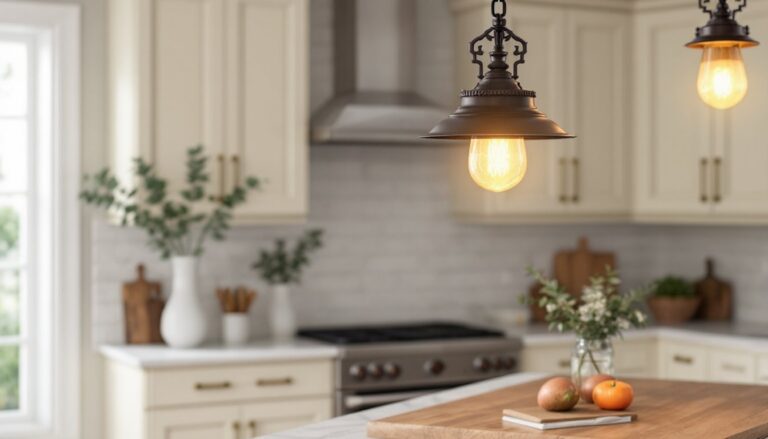
Edison bulb cages and exposed-filament LED bulbs pair beautifully with salvaged piping, reclaimed wood brackets, or vintage barn pulleys. Use black iron pipe fittings (available at any hardware store) to build custom wall sconces or pendant drops. Pipe threads aren’t electrical conduit, so run romex or outdoor-rated cable through the pipe if it’s part of the visible design, and ensure all connections happen inside a weatherproof junction box.
DIY safety reminder: If someone isn’t comfortable working with 120V wiring, hire a licensed electrician to make the final connections. Low-voltage (12V) systems offer a safer entry point for custom projects, transformers isolate the circuit, and there’s no shock hazard after the transformer.
Smart and Interactive Outdoor Lighting
Smart outdoor lighting offers control, automation, and effects that static fixtures can’t match. These systems are particularly useful for security, entertaining, and energy management.
Color-changing LED fixtures let users shift mood on demand, cool white for tasks, warm amber for dining, or saturated colors for events. Look for RGBW (red, green, blue, white) LEDs rather than RGB-only: the dedicated white channel produces better neutral tones. Systems like Philips Hue Outdoor, LIFX, or Govee integrate with voice assistants and smartphone apps. Expect to run standard 120V to a smart-compatible fixture or controller.
Motion-activated and programmable lights improve security without leaving floods on all night. Modern PIR (passive infrared) sensors adjust sensitivity and duration. Combining motion sensing with smart controls allows geofencing (lights turn on when a phone approaches) or scheduling (soft accent lighting at dusk, full brightness on motion after 10 p.m.).
Wireless mesh systems simplify installation in areas where running new wire is impractical. These use rechargeable battery packs or solar charging. Battery life varies, quality units last weeks per charge: cheap ones need weekly attention. For high-use areas, stick with hardwired or plug-in smart fixtures.
Installation note: Smart fixtures often require a neutral wire at the switch box (white wire in typical residential wiring). Older homes might only have hot and switched hot. If the neutral isn’t present, a smart plug or fixture-mounted controller is the easier fix.
How to Choose the Right Unique Lighting for Your Outdoor Space
Selection starts with function, then folds in style. Skipping the functional audit leads to beautiful lights that don’t actually work for the space.
Identify lighting needs: Task lighting (grills, walkways, steps), ambient lighting (general illumination for patios or yards), and accent lighting (highlighting architecture, plants, or art). Most yards need a mix. Unique fixtures work best as accents or ambient pieces: save task lighting for straightforward, reliable options.
Match fixture scale to space: Oversized pendants or sculptural pieces suit large patios, pergolas, or entryways. Compact gardens and narrow walkways need proportionate fixtures, an eight-foot steel sculpture overwhelms a 10×10 courtyard.
Consider light temperature and output: Warm white (2700K–3000K) feels inviting and complements wood, brick, and natural materials. Cool white (4000K+) suits modern, minimalist designs but can feel clinical. Lumen output matters more than wattage, 800 lumens gives about the same light as an old 60W incandescent. For reference, accent lights might be 200–400 lumens, path lights 100–200, and area lighting 800+.
Check installation requirements early: Does the fixture need a junction box, low-voltage transformer, or specialty mounting hardware? Will it require running new wire or adding a circuit? If the project crosses into adding circuits or outdoor subpanels, a permit and inspections are likely required (check local building department).
Weather exposure: Not all “outdoor” fixtures handle all conditions. Damp-rated fixtures work under covered porches. Wet-rated fixtures handle direct rain and sprinkler exposure. Coastal installations need corrosion-resistant materials, stainless steel, marine-grade aluminum, or heavy powder coating.
Conclusion
Unique outdoor lighting turns functional necessities into design opportunities. Sculptural fixtures, nature-inspired designs, upcycled creations, and smart systems all offer paths beyond the predictable. The best installations balance creativity with code compliance, proper weatherproofing, and honest assessment of what a DIYer can safely tackle versus when to call a pro. With the right fixture in the right spot, outdoor spaces don’t just get brighter, they get better.